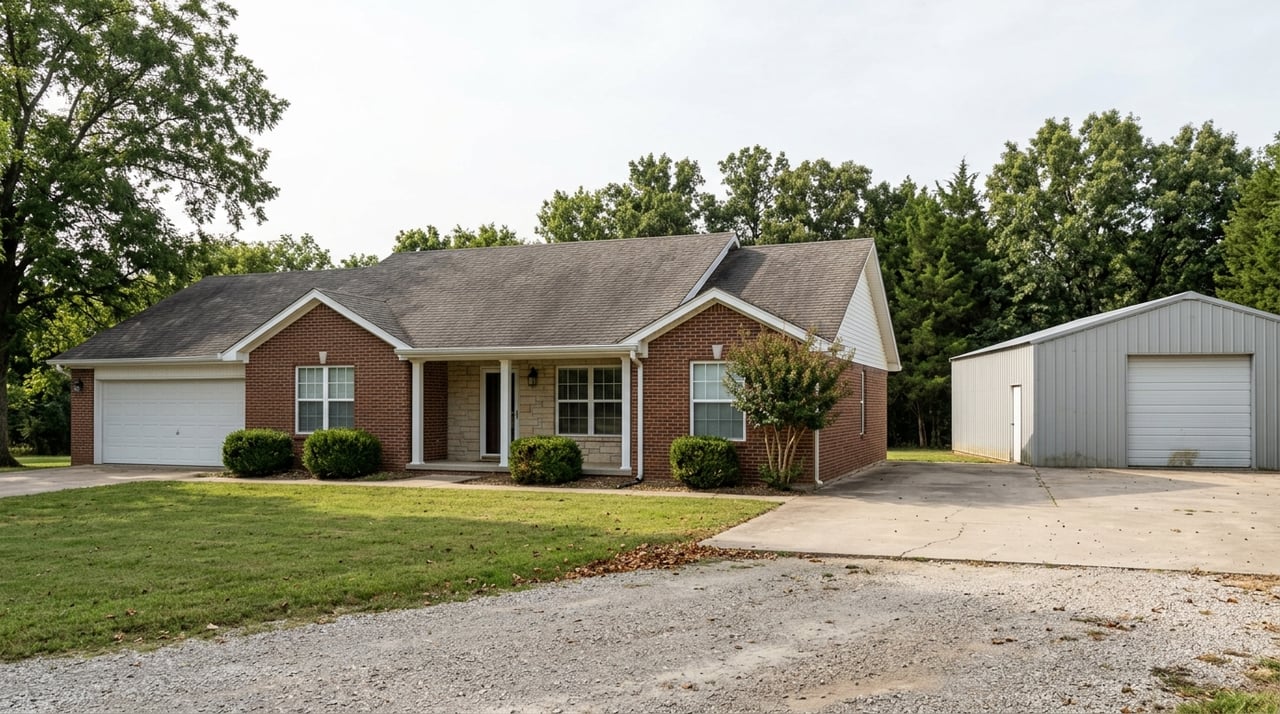
If you are dreaming about a few acres, a garden, maybe a couple of animals, and room to breathe, buying a hobby farm near Adair can feel like the right next step. It is also a different kind of purchase than buying a house in town, because the land itself needs to fit the way you plan to use it. This guide will help you think through acreage, soils, water, fencing, access, and local due diligence so you can shop with more confidence. Let’s dive in.
What a hobby farm near Adair really means
A hobby farm is best defined by how you want to use the property, not just by the number of acres. Near Adair, one buyer may want a homesite with a large garden, while another may need pasture for a few animals, a barn, and room for equipment. That is why it helps to start with your daily goals before you start comparing listings.
In practical terms, your search might fall into one of a few categories. You may want a home with enough land for gardening and outdoor living, a small pasture setup for light livestock use, or a larger mixed-use tract with grazing and storage needs. The right property depends on function first.
Start with your land-use goals
Before you focus on square footage or curb appeal, get clear on what the property needs to do for you. Rural properties near Adair can look similar online, but the layout and land quality can vary in ways that matter once you move in. A simple plan on paper can save you time and money.
Homesite and garden use
If your main goal is a home with room for raised beds, fruit trees, or seasonal planting, sun exposure and drainage should move to the top of your list. Oklahoma State University notes that poorly drained sites, thin topsoil, or soils with too much sand or clay may be better suited to raised beds or containers. That can still work well, but it changes how you plan and budget.
Regular soil testing matters too. OSU recommends testing garden soil every three to four years, and planting dates can vary across Oklahoma, which makes local timing important. Around Adair, that is one reason the Mayes County OSU Extension office can be a useful local resource.
Livestock and pasture use
If you want animals, the property has to support them without putting too much pressure on the land. Water, fencing, handling space, and pasture condition matter just as much as acreage. A small tract can work in some cases, but only if the setup matches the species and the management plan.
Horse properties are a good example. OSU notes that a mature horse may be supported on about 1 to 1.5 acres of thick, well-managed bermudagrass under controlled grazing, while unimproved native pasture in Oklahoma may require 5 to 10 acres per horse. That is a big difference, and it shows why there is no one-size-fits-all acreage rule.
Mixed-use acreage
Many buyers want a little bit of everything. You may picture a comfortable home, a garden, a shop, some pasture, and storage for hay or equipment. In that case, it helps to decide what the land’s primary job will be.
Ask yourself whether the tract is mainly a homesite, a small livestock place, or a pasture-and-hay property. That answer should guide your search more than any single acreage number. It also helps you avoid paying for features you may not really need.
Check the soil before you fall in love
The house may get your attention, but the soil often tells the real story on a hobby farm. Soil depth, drainage, and restrictive layers can affect pasture performance, garden success, and where you can place buildings. A pretty field is not always the same thing as usable ground.
The Natural Resources Conservation Service says Web Soil Survey is the official source for current soil information. For buyers near Adair, that makes it a smart tool for evaluating how the land may perform for gardening, grazing, or future improvements. Local USDA Service Center staff can also help interpret what the survey means for a specific tract.
Water, sewer, and septic matter more than you think
Utility questions can quickly become deal-breakers on rural property. Before you buy, confirm whether the home is on town water, rural water, or a private well. That one detail can affect maintenance, testing needs, and long-term planning.
Mayes County Rural Water District No. 6 provides wholesale service to the Town of Adair and is expanding treatment capacity, but buyers should still verify the actual service type for the parcel they are considering. If the property has a private well, OSU says the water is unregulated, the owner is responsible for testing and maintenance, and annual testing is recommended.
Wastewater is just as important. If the property is outside town service, Oklahoma DEQ regulates on-site sewage systems and makes the owner responsible for proper operation and repair. That is why it is smart to ask for septic history, maintenance records, and any available information about the drain field before closing.
Access and easements deserve a close look
A country property can seem easy to reach during a showing, but legal access is a separate issue. OSU notes that easements may cover driveways, utility lines, highway rights of way, and landlocked access. You want to know exactly how you get to the property and what rights others may have across it.
This is especially important on acreage with shared drives, utility corridors, or irregular boundaries. Confirm recorded access and review utility easements in the title work so there are no surprises later. Easy physical access is great, but legal access is essential.
Fencing and layout should fit the animals
Not all fencing works for all uses. OSU notes that permanent fences are commonly used to contain livestock and define boundaries, and Oklahoma also has legal requirements for perimeter fencing. If animals are part of your plan, the fence design should fit the species.
For example, woven wire topped with barbed wire may work for sheep or goats, but OSU notes it is more hazardous for wildlife and not ideal for horses. If you are shopping for an equine property near Adair, that detail matters. It may affect both safety and your future improvement costs.
Barns, hay storage, and equipment space
A hobby farm often needs more than a nice house and open field. If you plan to store hay, equipment, feed, or tools, building layout and drainage should be part of your evaluation. A poorly placed barn can create daily frustration.
OSU’s hay-storage guidance notes that enclosed barns reduce losses, and new buildings should be on a well-drained site near the feeding area with enough clear interior space for the intended storage pattern. Even if you are not running a large operation, those principles still matter. Good airflow, dry ground, and practical access can make a property much easier to live with.
Local questions to ask near Adair
When you tour acreage around Adair, a few specific questions can help you separate a good fit from a tough project. These are not just technical details. They shape your costs, your use of the land, and your long-term satisfaction.
Ask these questions early
- Is the property inside Adair town limits or in unincorporated Mayes County?
- What does the soil survey show about drainage, depth, and land limitations?
- Is the water source town water, rural water, or a private well?
- If there is a well, when was the water last tested?
- If there is a septic system, what is known about maintenance and drain-field condition?
- Is there recorded legal access to the property?
- Are there utility or driveway easements that affect use?
- Does the fencing match the animals you plan to keep?
- Is there enough dry, usable space for hay, feed, trailers, or equipment?
- If livestock are part of the plan, does the pasture realistically support that use?
Why local guidance matters
Buying rural property near Adair is rarely just about the house. It is about reading the land, asking the right questions, and understanding how small details can affect your plans. That is where local, practical guidance makes a real difference.
The Mayes County OSU Extension office can help with soil, water, forage, and animal-waste samples, which can be valuable when you are evaluating a property’s real-world potential. When you pair that kind of information with a local real estate team that understands acreage, access, and country property concerns, you can make a more informed decision from the start.
If you are considering a hobby farm near Adair and want steady, local guidance through the process, Danna Price is here to help you evaluate land, compare options, and move forward with confidence.
FAQs
What counts as a hobby farm near Adair?
- A hobby farm near Adair is usually best defined by how you plan to use the property, such as a homesite with a garden, a small livestock setup, or a mixed-use tract with pasture and storage.
How much land do you need for a horse near Adair?
- OSU notes that a mature horse may be supported on about 1 to 1.5 acres of thick, well-managed bermudagrass under controlled grazing, while unimproved native pasture may require 5 to 10 acres per horse.
Why should buyers check soil on land near Adair?
- Soil affects drainage, pasture performance, garden success, and building-site usability, and NRCS says Web Soil Survey is the official source for current soil information.
What water source should buyers expect on a hobby farm near Adair?
- A property may be on town water, rural water, or a private well, so you should confirm the service type and understand the testing and maintenance responsibilities before buying.
What should buyers know about septic systems near Adair?
- If the property uses an on-site sewage system, Oklahoma DEQ makes the owner responsible for proper operation and repair, so buyers should verify septic history, maintenance, and drain-field condition.
Why do easements matter when buying acreage near Adair?
- Easements can affect driveways, utility lines, rights of way, and access to landlocked property, so you should confirm recorded access and review title work carefully.
What should buyers look for in fencing on a hobby farm near Adair?
- Buyers should check whether the fencing fits the intended animals, since different species need different fence types and some fence designs are not ideal for horses.
Where can buyers get local testing help in Mayes County?
- The Mayes County OSU Extension office can help with soil, water, forage, and animal-waste samples and can direct landowners to the right lab or program.