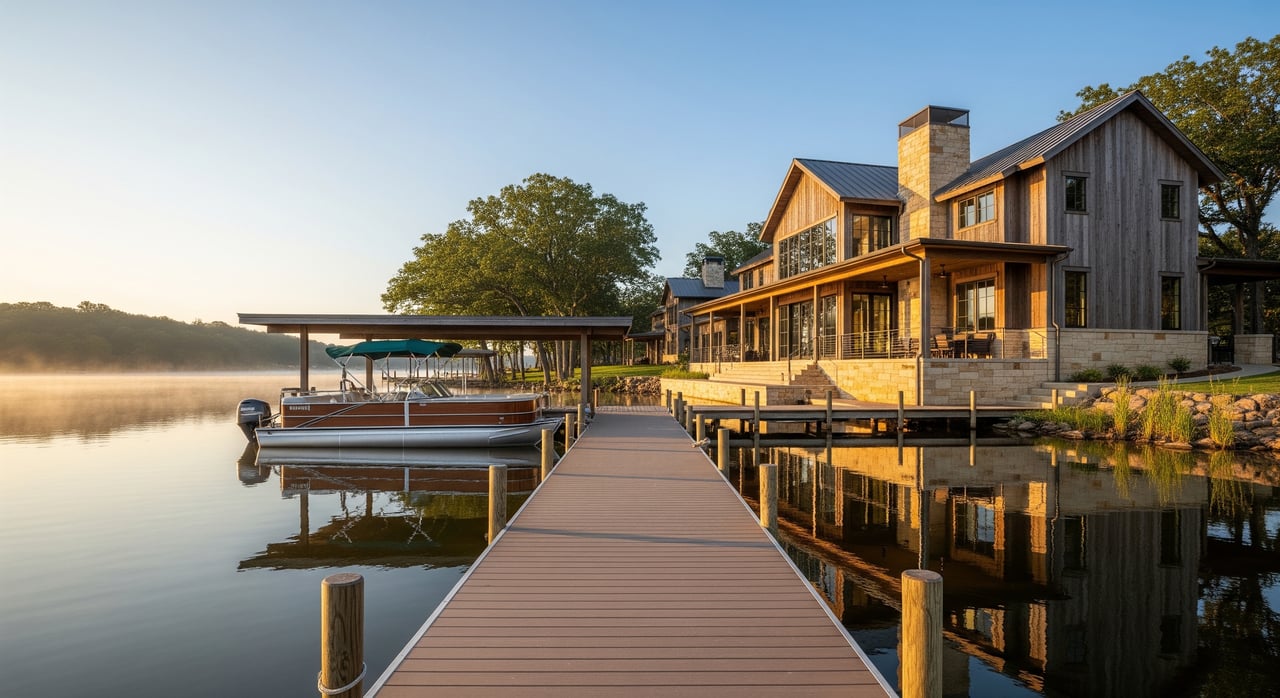
Picture a calm morning on Grand Lake, the water glassy and quiet before the boats head out. If you’re thinking about making that scene your everyday, Langley gives you a small-town pace with easy access to the water. In this guide, you’ll learn what daily life feels like, the types of homes and lots you’ll find, and the practical details buyers ask about, like docks, utilities, and insurance. Let’s dive in.
Where Langley sits on Grand Lake
Langley sits on the northeastern shore of Grand Lake, a major reservoir created by Pensacola Dam. The lake is a regional landmark for boating, fishing, and lakeside living. The Grand River Dam Authority manages lake operations, shoreline permits, and related infrastructure, so many waterfront questions start with the Grand River Dam Authority.
You can reach larger hubs like Tulsa in about an hour to 90 minutes depending on where you start and traffic. For bigger-box shopping and specialty medical services, many residents drive to nearby towns or into Tulsa as needed.
Daily rhythm and community
Pace through the seasons
Life in Langley is relaxed most of the year. The community includes year-round residents, retirees, and second-home owners who head in for weekends. Summer is the busiest period from Memorial Day to Labor Day. Winter is quieter, with fewer visitors and a true small-town feel.
Recreation on and off the water
Boating and watersports are the heart of warm-weather life. Anglers target bass, crappie, and catfish, and the lake hosts tournaments through the year. For regional fishing information, regulations, and seasons, explore the Oklahoma Department of Wildlife Conservation.
You’ll also find shoreline walks, birding, and day trips around the region. Marinas, boat ramps, and lakeside spots become social hubs when the weather is right.
Amenities and services
Expect a modest commercial core in and near Langley, with restaurants, bait and tackle, convenience stores, and local service businesses. For major shopping, large hospital systems, and specialist care, plan on driving to bigger towns or Tulsa. Local clinics and volunteer fire or EMS coverage are common around the lake, with response times that vary by location.
Homes and lots you can find
Waterfront and near-lake homes
Along the shoreline you’ll see cozy cottages, mid-century cabins, updated bungalows, custom homes, and newer builds with private docks. Waterfront lots are usually smaller, often well under an acre and commonly in the few-tenths to 0.5–1 acre range. Terrain can be terraced or steep in spots, which affects dock access and construction choices.
Many lakeside homes use private septic systems and wells. If you’re planning a remodel or addition, factor in driveway grade, rock or soil conditions, and tree cover. These details can influence building costs and permit approvals.
Upland and acreage living
Just off the lake you’ll find ranch-style homes, manufactured or modular homes, and farm or ranch properties on larger parcels. It’s common to see 1–10 acre tracts, with even larger recreational parcels farther from the shore. Utilities are often a mix of electric, well, and septic, with municipal water or sewer less common in rural settings.
Seasonal and rental-oriented properties
Vacation cottages and short-term rentals cluster in high-demand lake areas. Neighborhood or town rules can limit nightly rentals. If that is part of your plan, review local ordinances and any HOA covenants before you buy.
Practical ownership checklist
Use this quick list to evaluate a specific property with confidence:
- Dock permits and shoreline rules. Confirm whether a dock exists, its permit status, and what you can add or replace. Start with the Grand River Dam Authority for current shoreline and dock guidelines.
- Flood zones and insurance. Some waterfront parcels sit in FEMA flood zones. Check the property’s designation on the FEMA Flood Map Service Center and discuss flood insurance with your lender and insurer.
- Septic and wells. Ask for system age, permit records, and recent service. For standards and regulations, consult the Oklahoma State Department of Health.
- Broadband and cell coverage. Service can vary by road and cove. Review the FCC Broadband Map and verify availability with local providers, then test signal on site.
- Roads and access. Look at the mix of paved county roads and private gravel drives. Ask about maintenance responsibilities and how winter weather impacts access.
- Insurance quotes. Lakeside exposure can raise wind or hail premiums. Get quotes early, especially if a dock, seawall, or older systems are involved.
- Title and easements. Confirm deeded water access, any shoreline easements, and community covenants that affect building setbacks or shoreline work.
- Short-term rentals. If you plan to rent, verify neighborhood rules and any town-level restrictions.
- Schools. If schools are part of your decision, review district boundaries and data through the Oklahoma State Department of Education.
Costs and financing basics
Waterfront homes often carry a premium compared with inland properties. Inventory can be tighter on true lakefront, while inland and acreage options typically offer more supply and lower cost per square foot. Insurance needs may include standard homeowners coverage, possible flood insurance if required by your lender, and wind or hail policies for lakeside exposure.
Financing can be different for rural or lake properties. Some lenders have added requirements for long driveways, acreage, manufactured homes, or older septic systems. It helps to work with lenders familiar with rural and recreational properties so underwriting stays smooth.
A day in the life
On a summer Saturday, you might launch early for a calm morning of fishing, break for lunch at a local spot, then spend the afternoon cruising on a pontoon. As the sun drops, the shoreline quiets and the water settles.
In winter, the lake slows down. You handle small projects around the house, stop by a local diner, or walk the shoreline. Many businesses operate reduced hours, and traffic is light.
Trade-offs to weigh
- Seasonal crowding, especially on holiday weekends in peak summer.
- Ongoing maintenance for docks, lifts, seawalls, and erosion control.
- Potentially higher insurance costs and flood risk on certain waterfront parcels.
- Longer drives for major hospitals, specialty medical care, or big-box shopping.
- Broadband variability that can affect remote work, depending on the address.
Getting around and commuting
Most residents drive for work, school, and errands. The I-44 corridor and regional highways make weekend or part-time commutes to larger towns and Tulsa practical for many. Public transit is limited, so car ownership is essential.
Ready to explore Langley?
If lakeside living calls to you, local guidance makes a difference on docks, utilities, flood maps, and neighborhood rules. You deserve a calm, informed process from search to closing. Reach out to Danna Price for local insight and steady support. Let’s get started.
FAQs
What is daily life like in Langley near Grand Lake?
- Expect a relaxed small-town pace with busy summer weekends, active spring and fall for anglers, and a quieter winter season when many second homes sit vacant.
How long is the drive from Langley to Tulsa?
- Typical drives run about an hour to 90 minutes depending on your exact start point, route, and traffic conditions.
Do I need a GRDA permit for a dock on Grand Lake?
- Most dock and shoreline structures require GRDA approval. Start with the Grand River Dam Authority to verify current rules and permit steps.
Will I need flood insurance for a Langley lakefront home?
- It depends on the FEMA flood zone for the specific parcel and lender requirements. Check the FEMA Flood Map Service Center and ask your lender and insurer.
How reliable is internet service around Langley and Grand Lake?
- Coverage varies by street and cove. Review the FCC Broadband Map, confirm providers for the exact address, and test speeds on site.
What utilities should I expect at homes near Grand Lake?
- Many properties use electric service with private wells and septic systems. Municipal water or sewer is less common in rural areas, so verify the setup and system condition during inspections.