Looking for a home near Inola where you can have both a place to live and room to work, store equipment, or enjoy hands-on hobbies? You are not alone. Many buyers want a property with a shop, but the right fit can look very different depending on whether you want an in-town workshop, a few acres with extra utility, or a larger tract with long-term flexibility. This guide will help you understand what shop-friendly and small-acreage options near Inola can include, what rules may shape your plans, and what to check before you buy. Let’s dive in.
What shop properties near Inola can look like
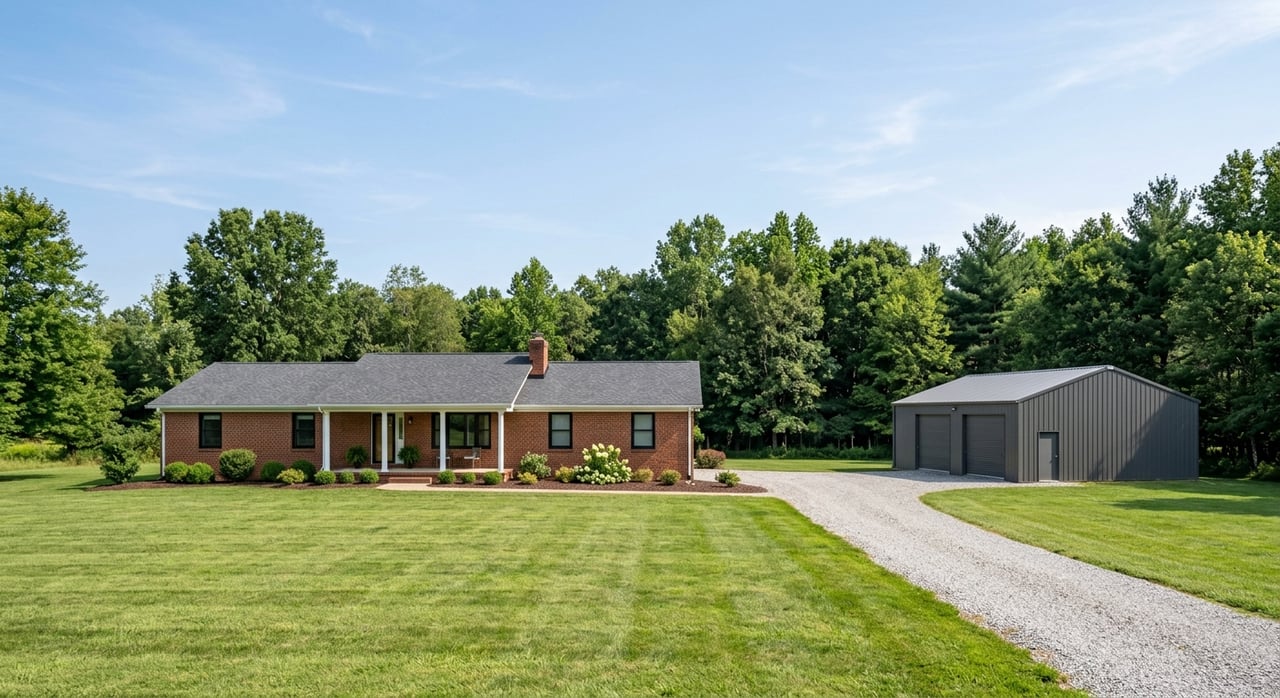
If you are searching near Inola, “shop property” can mean several different things. Recent listing examples in the area have included an in-town 3-bedroom home with a detached 24x24 shop on about 0.321 acres, a custom home on just over 1 acre with a 40x60 shop, and a 5-acre fenced tract with a 3,362-square-foot shop.
That range matters because it shows how broad this category can be. Some buyers want a normal home with extra storage or hobby space, while others want acreage where the shop is one of the main features of the property.
You may also come across parcels that are more land-and-shop focused than home focused. One current example in the area is a 3.03-acre tract re-zoned light industrial and described as a place to build a shop and park equipment. That is very different from buying a home in a residential setting and adding a personal outbuilding later.
Why lot size matters near Inola
Lot size is one of the first things to study when you want a shop. Inola’s zoning code sets minimum lot sizes and frontage standards by district, and those rules can directly affect what may be practical on a property.
For example, the RE district requires 24,000 square feet and 175 feet of frontage. RS-1 requires 10,000 square feet and 85 feet of frontage, while RS-2 requires 8,000 square feet and 70 feet of frontage. The A-1 agricultural district requires at least 5 acres and 330 feet of frontage.
In plain terms, larger acreage tracts often give you more breathing room for shop planning. Smaller in-town lots can still work well for a detached building, but they may be less flexible if you want a larger footprint or more specialized use.
Small lots vs. acreage tracts
A smaller residential lot may be a strong fit if you want a workshop, hobby area, or extra storage close to town. If your goals include a larger building, extra equipment space, or more separation between the house and outbuilding, acreage may make that easier.
That does not mean every acreage tract is automatically better. You still need to confirm zoning, frontage, access, and utility details before you assume a larger parcel will support your plans.
Accessory building rules to know
A common question is whether you can add a large shop after you buy. In many cases, the answer depends on the district rules, building size limits, setbacks, and whether a specific use permit is required.
In several Inola residential districts, accessory buildings are capped at 1,000 square feet unless a specific use permit is approved. Accessory uses also must be on the same lot, under the same ownership, and generally use the same utility meter.
Smaller storage buildings of 200 square feet or less may be placed in rear yards in A-1 or residential districts, but they must stay at least five feet from side and rear property lines and cannot be placed in utility easements. Those details can make a big difference when you are trying to map out a future shop pad or storage area.
A personal shop is not the same as a business use
This is one of the biggest points for buyers to understand. In residential areas, a personal hobby shop and a commercial operation are not treated the same way.
Inola’s ordinance restricts some home-business uses in residential districts, including auto repair, vehicle painting, welding shops, and similar higher-impact uses. If you plan to do more than personal use, it is important to verify early whether the property and zoning match your intended use.
City rules, county rules, or both
Near Inola, not every property is governed the same way. Some parcels fall within town limits, while others may be outside city limits and subject to Rogers County requirements.
Rogers County maintains zoning ordinances and a Planning Commission that handles development, land division services, and building inspections. The county also states that building permits are required for all residential and commercial permanent structures.
That means one of your first due diligence steps should be confirming exactly where the parcel sits. Before you buy, you want to know whether the property falls under Inola rules, county rules, or a combination of both.
Utilities can shape your options
A shop-friendly property is not just about square footage. Utility access can play a major role in whether a property works the way you want it to.
Within Inola city limits, the Public Works Authority handles water, sewer, and trash service. Outside town, utility setups can vary widely from property to property.
Current area listings show that range clearly. One 1-acre shop property notes rural water and aerobic sewer, another 5-acre tract notes rural water and septic tank service, and another 2.39-acre tract says rural water and electric are available nearby while septic is required.
Septic is a major planning item
If a property cannot connect to city sewer, you will likely need an on-site sewage system. In Oklahoma, the DEQ process starts with the Report for On-Site Sewage, known as Form 581, and an Authorization to Construct must be issued before installation or modification.
Septic feasibility depends on the land itself. OSU Extension notes that soil conditions matter, and areas with flooding or ponding should not be used for onsite septic systems.
Current DEQ guidance says soil profile tests, percolation tests, or design-only review are used to determine whether conventional, low-pressure, aerobic, or lagoon systems are allowed. If you are buying land with plans for a future home and shop, this step deserves close attention.
Water use deserves a closer look
Private water planning can matter more than some buyers expect. According to the Oklahoma Water Resources Board, domestic groundwater use does not require a water permit, but non-domestic uses do.
Domestic use includes household purposes, livestock up to the normal grazing capacity, and irrigation of up to 3 acres. If you are thinking about a larger garden, livestock setup, or shop-related water use beyond ordinary household needs, it is smart to confirm how that may apply to your property plans.
Floodplain, drainage, and buildable area
A property can look perfect online and still have site issues that affect where you can build. Floodplain and drainage are especially important when you are planning both a home and a shop on small acreage.
Rogers County says about 15% of county land is in the floodplain, and the county Planning Commission maintains floodplain maps and reviews applications for building or remodeling in flood areas. Inola’s code also includes floodplain management regulations.
For buyers, that means the usable part of the property matters just as much as the total acreage. You want to look at drainage, likely pad locations, driveway placement, and whether the intended shop site sits outside flood risk.
Frontage, easements, and access details
Acreage alone does not tell the whole story. Frontage standards, utility easements, and road access can all affect whether a parcel works for your goals.
Inola’s zoning tables set frontage requirements by district, and the code does not allow storage buildings in utility easements. So even if a lot appears to have open space, the actual buildable area may be smaller than you expect.
This is why details in listings can be useful starting points, not final answers. For example, a light-industrial tract in town may note city utilities at the road, but you still need to verify what that means for your timeline, building plans, and site layout.
A simple checklist before you buy
If you are comparing shop homes and small-acreage options near Inola, keep this checklist handy:
- Confirm whether the property is inside Inola city limits or under Rogers County jurisdiction
- Verify the zoning district and minimum lot or frontage standards
- Ask whether an existing shop is permitted as-is
- Check whether future accessory building size limits apply
- Review whether a specific use permit may be needed for a larger shop
- Confirm water, sewer, septic, and electric service details
- Ask about floodplain location, drainage, and buildable areas
- Check for utility easements that could limit shop placement
- Clarify whether your intended use is personal, storage-related, or business-related
Why local guidance matters
Two properties near Inola can look similar online but offer very different long-term potential. One may be a simple residential home with a detached shop, while another may support broader outbuilding or equipment needs because of lot size, zoning, or utility setup.
That is where practical local guidance helps. When you are buying in a small-town or rural market, the best decisions often come from understanding how land use rules, utility access, and site conditions work together before you commit.
If you are exploring homes with shops or small acreage near Inola, having a steady local guide can save you time and help you focus on properties that truly fit your goals. When you are ready to talk through options, reach out to Danna Price for practical, local guidance tailored to your next move.
FAQs
What kinds of shop properties are available near Inola?
- Near Inola, you may find anything from an in-town home with a detached workshop to a multi-acre tract with a large shop or even a parcel positioned more for equipment storage or light industrial use.
Can you add a large shop to a home near Inola later?
- Possibly, but it depends on the property’s zoning, frontage, setbacks, accessory-building limits, and whether a specific use permit is required.
Do shop properties near Inola always come with acreage?
- No. Some shop-friendly homes are on smaller in-town lots, while others are on 1 acre, 5 acres, or more.
Do you need septic for small acreage near Inola?
- If the property cannot connect to city sewer, you will likely need an on-site sewage system, and Oklahoma DEQ authorization and site testing help determine what system is allowed.
Can you run a business from a shop on residential property near Inola?
- Not automatically. Inola restricts some higher-impact home-business uses in residential districts, so you should confirm whether your intended use is allowed before buying.
Why does floodplain matter for shop homes near Inola?
- Floodplain, drainage, and pad placement can affect where you can place a house, shop, driveway, or septic system, so the usable area of the property matters as much as the total acreage.