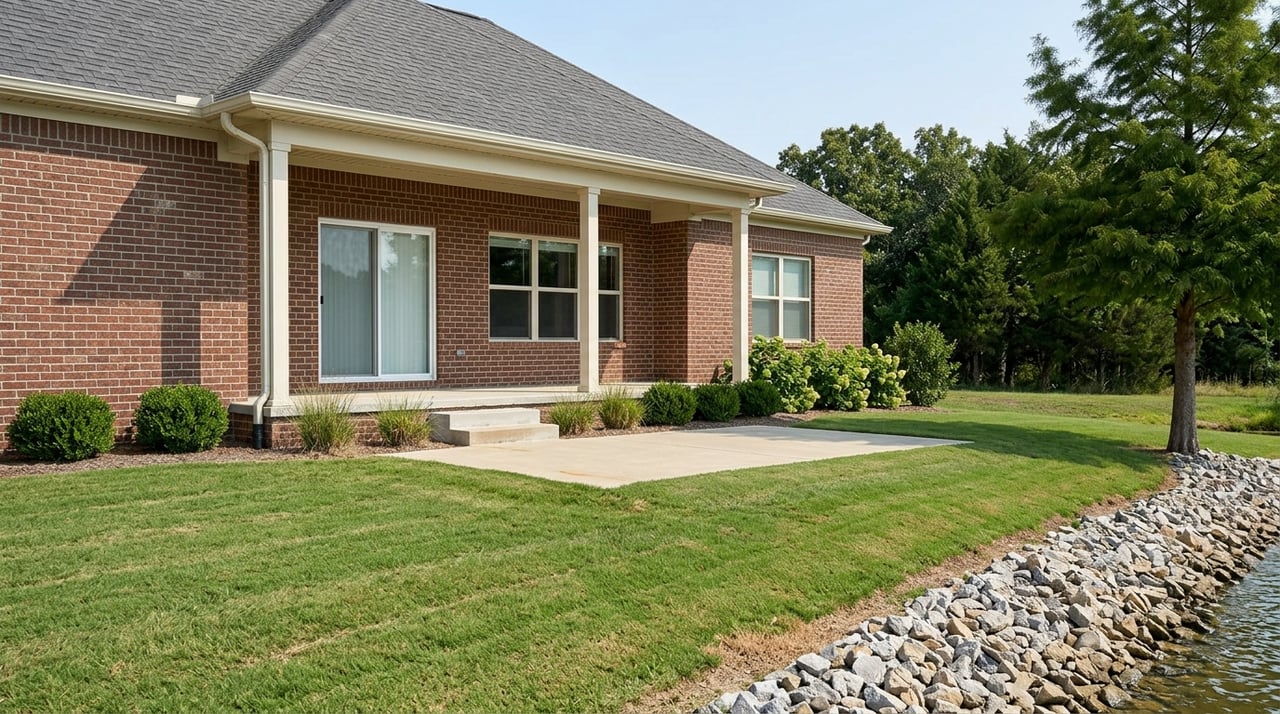
Dreaming about coffee on the porch, easy lake access, and a place to unwind in Salina? A lake house on Lake Hudson can absolutely offer that lifestyle, but it also comes with details you do not want to overlook. If you are thinking about buying near the water, this guide will help you focus on the questions that matter most before you make an offer. Let’s dive in.
Why Salina lake homes are different
A lake house in Salina is not just a regular home with a nicer view. Lake Hudson is part of GRDA’s flood-control and hydroelectric system, which means water levels can change over time. That affects shoreline position, water access, and even whether a dock is usable in the way you expect.
Salina itself is a small town of around 1,200 residents in Mayes County, which adds to the appeal for buyers who want a quieter setting. Still, the right lake property is usually the one that works well on paper and in person. That means looking beyond the view and checking how the property functions day to day.
Check water access carefully
One of the biggest mistakes buyers can make is assuming every lake-area home has the same kind of access. Some properties are waterfront, some are water view, and some are simply near the lake. Those differences matter more than many buyers realize.
If a property includes a dock, boathouse, or shoreline feature, verify that it is properly permitted. GRDA states that no dock may be placed on its waters without written permission, and shoreline work like retaining walls, dredging, and stabilization also requires approval. If lake access is central to your plans, permit status can be just as important as the house itself.
Ask these dock questions early
Before you get too far into a purchase, make sure you know:
- Whether the parcel is truly waterfront
- Whether dock access is deeded, permitted, or neither
- Whether any existing dock or boathouse has proper GRDA approval
- Whether shoreline improvements were completed with required permission
- Whether changing lake levels could affect access or dock usability
GRDA also prohibits habitable structures and dock-o-miniums on the waters. So if you are picturing guest quarters over the dock, that is something to clarify right away.
Understand flood risk before closing
Flood research should be part of your early due diligence, not an afterthought. FEMA flood maps are the official source for checking whether a property sits in a flood zone. A high-risk flood area is defined as one with a 1 percent annual chance of flooding.
If the home is in a high-risk area and you are using a government-backed mortgage, flood insurance may be required. FEMA also notes that NFIP flood insurance usually has a 30-day waiting period unless it is tied to a required purchase or a community map change. In other words, this is not something you want to leave until the last minute.
Why flood planning matters on Lake Hudson
Because Lake Hudson is managed for flood control and hydropower, changing water levels are part of ownership reality. Buyers should check current lake levels near the time of inspection, appraisal, and closing. A property can look very different depending on conditions.
You will also want to understand how erosion is being handled. GRDA’s shoreline rules show that erosion control may require permits and approved methods like vegetation, riprap, or retaining walls.
Think through how you will use the home
Your intended use affects more than your lifestyle. It can shape your financing options, reserve requirements, and even tax treatment. That is why it helps to decide early whether you are buying a primary residence, a second home, or a property meant for rental use.
Fannie Mae says a second home must be occupied by the borrower for part of the year, be a one-unit dwelling, be suitable for year-round occupancy, remain under the borrower’s exclusive control, and not function as rental property or a timeshare. If your plans do not fit that definition, the property may be treated differently by your lender.
Second home vs. investment property
Freddie Mac’s conforming guide shows a maximum 90 percent loan-to-value ratio for a second home and 85 percent for a one-unit investment property. Reserve expectations can differ too. Fannie Mae guidance notes that Desktop Underwriter typically requires two months of reserves for a second home and six months for an investment property.
That can change how much cash you need up front and how your offer strategy works. If you are buying mainly for personal use, that is one conversation. If you plan to rent it full time, expect a different underwriting path.
Look for year-round practicality
A great lake house should be enjoyable in every season, not just on holiday weekends. Practical features can make ownership easier, especially near the water where exposure and maintenance tend to be higher. This matters whether you plan to live there full time or use it as a second home.
Buyers often do best when they prioritize the basics first. Reliable heating and cooling, durable materials, storage for lake gear, and easy access to shutoffs and mechanical systems can make a real difference over time.
Practical features worth prioritizing
- Heating and cooling suitable for year-round use
- Durable finishes that can handle moisture and traffic
- Storage for boating, fishing, and outdoor gear
- Easy access to utility shutoffs and mechanical systems
- Exterior conditions that appear manageable and maintainable
These are not flashy details, but they tend to matter once the excitement of closing wears off and regular ownership begins.
Confirm utilities and septic service
Lake-area homes do not all work the same way when it comes to water and wastewater. The Town of Salina has official pages for water rates, policies, and public works services, so buyers should verify whether a property is connected to municipal service or relies on a private system.
That distinction affects both your monthly budget and your maintenance responsibilities. A home with septic may offer the setting you want, but it also requires planning and upkeep.
Septic should be part of your budget
EPA guidance says septic systems should generally be inspected every 1 to 3 years and pumped every 3 to 5 years. Oklahoma DEQ also states that maintenance is the homeowner’s responsibility and is key to avoiding malfunctions and costly repairs.
For rural or shoreline properties, this is especially important. If the home is not on municipal sewer, ask about the system’s age, service history, and any known repairs before you move forward.
Budget beyond the mortgage
It is easy to focus on price and payment, but lake ownership often includes extra costs. Some are predictable, and some only show up after you start digging into the property details. Building a realistic budget early can help you avoid surprises later.
Beyond your mortgage, you may need to plan for flood insurance, septic maintenance, dock compliance, shoreline repairs, and boat-related requirements. On GRDA waters, vessels used on the lake must meet applicable registration and safety inspection rules, and Oklahoma registration is required by June 30.
A smart pre-offer budget checklist
Before you make an offer, try to estimate:
- Flood insurance needs and timing
- Utility setup and monthly costs
- Septic inspection or maintenance needs
- Dock or shoreline permit compliance costs
- Ongoing exterior maintenance from water exposure
- Boat registration and GRDA inspection requirements if applicable
The clearer your budget is up front, the easier it is to compare one property to another with confidence.
Ask the right questions before you offer
The best lake-home decisions usually come from slowing down and verifying the details. A beautiful setting can pull you in fast, but the right purchase is the one that matches your goals, your financing, and your comfort level with ownership.
Before you commit, make sure you can clearly answer the most important property-specific questions.
Key questions for Salina lake buyers
- Is the home being financed as a primary residence, second home, or investment property?
- Does the parcel have legal dock rights, permitted access, or only proximity to the water?
- Is the home in a FEMA flood zone, and will flood insurance be required?
- Is the property on municipal water and wastewater service, or a private system like septic?
- If you plan to live there full time, could it qualify for Oklahoma homestead treatment?
Because financing, flood insurance, septic, and dock permitting can all overlap, it helps to talk with the right professionals before you lock yourself into a contract. A steady local guide can also help you ask better questions before small details turn into expensive ones.
If you are weighing lake property around Salina and want practical guidance from a team that knows Mayes County and small-town northeast Oklahoma, reach out to Danna Price. You deserve clear answers, local insight, and support that helps you buy with confidence.
FAQs
What should you verify before buying a lake house in Salina, Oklahoma?
- You should verify waterfront status, dock or shoreline permit status, flood-zone information, utility type, septic details, and how the home will be financed.
How do Lake Hudson water levels affect a Salina lake property?
- Lake Hudson is part of GRDA’s flood-control and hydroelectric system, so water levels can vary and affect shoreline position, water access, and dock usability.
Do docks on Lake Hudson need permits?
- Yes. GRDA states that docks require written permission before placement on GRDA waters, and shoreline work such as stabilization, retaining walls, and dredging also requires approval.
Can a Salina lake house be financed as a second home?
- It may be possible if the property meets second-home guidelines, including year-round suitability, one-unit status, borrower occupancy for part of the year, exclusive control, and no rental or timeshare use.
How do you check flood risk for a lake home near Salina?
- FEMA flood maps are the official source for flood-zone research, and buyers should review them early to understand insurance requirements and risk.
What utility questions matter for a lake home in Salina?
- Buyers should confirm whether the home uses municipal water and wastewater service or a private system such as septic, since that affects both monthly costs and maintenance responsibilities.
Does a septic system change the cost of owning a lake property?
- Yes. Septic systems need regular inspection and pumping, and Oklahoma DEQ says maintenance is the homeowner’s responsibility, so buyers should include that in their ownership budget.